In this exclusive one-on-one interview, we sit down with Dr. Mehmet Oz, who has served as a health official under Donald Trump, to explore the intersection of health policy, public service and personal experience. Dr. Oz, a well-known physician and media personality, brings a unique perspective to the role of health official—balancing clinical knowledge, public communication and government decision-making.
From the outset, the interview sets the tone: a candid yet serious conversation about how health policy is shaped in high-stakes contexts. Dr. Oz discusses his transition from television physician and health advocate into a role in the Trump administration’s health apparatus. He reflects on how his medical background prepared him for the challenges of policy, and how his media experience taught him the importance of effective public messaging.
A central theme in our discussion is the question of health equity and access. Dr. Oz explains how the administration views its role in expanding or reforming health services. He acknowledges that many citizens face significant barriers to care—whether geographic, economic or informational—and he outlines several initiatives aimed at addressing those gaps. The tone is one of urgency: “If someone doesn’t know where to turn, or can’t afford basic preventive care, we have to find a way in,” he says.
Another key segment of the interview focuses on preventive medicine and lifestyle. Dr. Oz points out that beyond acute care and hospitalization, the most sustainable gains in public health come from prevention: diet, exercise, routine screening, early intervention. He provides anecdotes from his clinical practice, underscoring how small changes—better nutrition, increased physical activity, more regular check-ups—can have outsized impact on health outcomes. He then ties this to policy: how government health agencies can support these efforts through education campaigns, incentives and community partnerships.
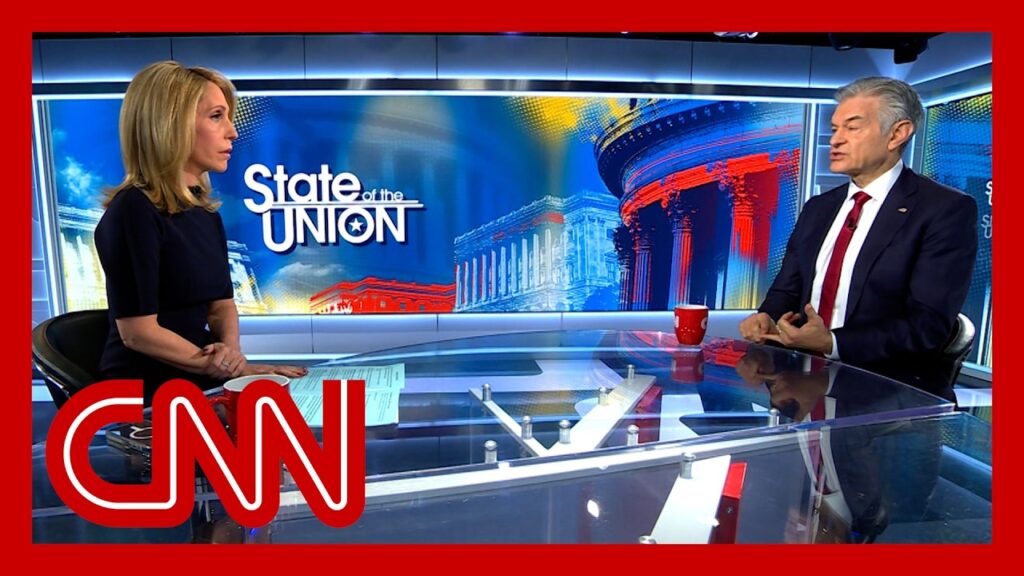
The conversation also turns to the political dimension of health policy. Being a health official in a highly-visible administration means that every decision can carry political weight. Dr. Oz doesn’t shy away from this. He acknowledges that policy debates around healthcare often entail ideological divisions, budget constraints and intense media scrutiny. He describes how the administration tries to navigate these waters: by grounding decisions in data where possible, but also by communicating clearly with the public—something his media background helps him with.
We delve into current health system challenges: rising costs, aging populations, chronic disease burdens and emerging threats (including pandemics). Dr. Oz explains that one of the administration’s strategic goals is to strengthen resilience in the health system. That includes both public sector capacity (e.g., public health agencies, emergency preparedness) and leveraging private-sector innovation (e.g., new care models, telemedicine). He emphasizes collaboration: “Policy isn’t built in isolation. We need clinicians, researchers, administrators and the public at the table.”
One of the more personal parts of our talk is on leadership and responsibility. Dr. Oz shares how working in government differs from clinical work: the pace is different, the metrics are different, and the stakes are larger. He reflects on the importance of being transparent, accountable and responsive. He also acknowledges criticisms—whether of his past media work, or skepticism about a physician entering government—and says that his commitment is to service and results.
We wrap the interview discussing future prospects. What next for health policy under the Trump administration? Dr. Oz outlines priorities: strengthening prevention, reducing unnecessary hospitalization, improving outcomes while managing costs, making health care more accessible. He also stresses the role of the individual: “Government can set the stage, but ultimately people have to play their part in health.” He encourages viewers to stay informed, ask questions of their providers, engage with public health initiatives and advocate for better services in their communities.
Why this interview matters:
- It offers a behind-the-scenes look at how health policy is shaped by a clinician turned policymaker.
- It highlights the tension between public health imperatives and political realities.
- It underscores the role of prevention and lifestyle in the broader health agenda.
- It gives voice to the lived experience of a physician-administrator in a high-visibility role, which can inform how viewers think about health, policy and service.
What viewers will get out of it:
- Insights into how federal health policy is formed and communicated.
- An understanding of how preventive medicine translates into public-policy frameworks.
- Questions to ask themselves: What does good health policy mean for me and my community? How can I engage meaningfully?
- Inspiration from someone who has crossed the boundary between clinical practice and government service.
Key takeaways:
- Health policy isn’t just legislation—it’s people, systems and culture.
- Prevention matters: the earlier you act, the better the outcomes and the lower the costs.
- Effective communication and public trust are crucial in health initiatives.
- Real change requires collaboration across sectors.
- As a viewer, you’re part of the ecosystem. Your health, your choices, and your voice in public dialogue matter.
Final thought:
In this compelling one-on-one conversation, Dr. Mehmet Oz brings depth, experience and clarity to the role of a health official in the Trump era. Whether you’re a health professional, policy-enthusiast or simply someone interested in how health systems work, this interview offers valuable food for thought. It invites you not just to listen, but to reflect—on your role, your health and the future of public health in the U.S. and beyond.