President Donald Trump has signalled a major shift in his posture toward the long-running controversy surrounding Jeffrey Epstein’s network and documents. According to coverage by Newsweek, Trump wrote on his social platform that “House Republicans should vote to release the Epstein files … we have nothing to hide.” Newsweek Previously he had dismissed the matter as a “Democrat Hoax.” TIME+1
The context is important: For months Republicans and Democrats alike have pushed for the disclosure of documents held by the Department of Justice (DOJ) relating to Epstein’s sex-trafficking case and his associates. Efforts to force a vote via a discharge petition recently passed the required threshold of signatures. Wikipedia+1 Trump’s public urging for the files’ release breaks from his earlier position of resistance and raises questions about the motivations behind the reversal. Critics argue the sudden embrace of transparency may be politically timed ahead of major legislative and election battles.
In his statements, Trump linked the push for document release to his broader agenda, saying the Epstein issue should not distract from the “great success” of the Republican Party and his administration. Newsweek His framing turned the controversy into a partisan battlefield: calling it a “hoax” earlier, then pivoting to support disclosure while asserting “we have nothing to hide.” For supporters this may be seen as vindication; for opponents the move raises suspicion that pressure was mounting and that the files contain material politically damaging.
In practical terms, the release of the documents could trigger a cascade of new revelations about Epstein’s network, his connections to high-profile figures, and the decisions made by prosecutors and federal agencies. It may also intensify scrutiny of Trump’s own past associations and comments regarding Epstein. Whether the files will be fully disclosed, and whether key names are redacted or withheld, remains a matter of speculation and procedural hurdle. The broader message: transparency has become a live issue in U.S. politics, and the Epstein files may serve as a litmus test for how the Trump-era Republican Party handles such controversies.
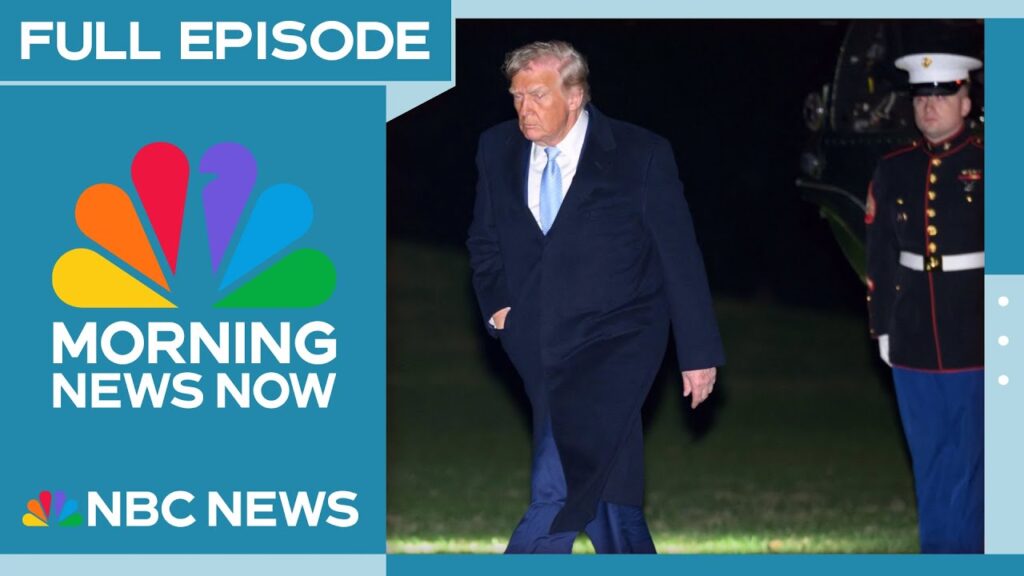
Meanwhile, in the aviation sector, the Federal Aviation Administration (FAA) and United States Department of Transportation (DOT) announced that flight reductions at 40 major U.S. airports will end at 6 a.m. ET on Monday, November 17, 2025. AP News+1 These cuts had been put in place during the 43-day U.S. federal government shutdown — the longest on record in U.S. history. Wikipedia+1
The background: With the shutdown beginning October 1, many air traffic controllers and other FAA staff were required to work without pay, while staffing shortfalls and fatigue raised safety concerns. Wikipedia In response, on November 7 the FAA ordered reductions in flight volume at key airports — initially 4 percent, then rising toward 6 percent and even considered up to 10 percent if staffing conditions did not improve. The Guardian+1
As staffing improved following the shutdown’s end on November 12, the DOT lowered required cuts to 3 percent on November 14, then announced the termination of all restrictions. Politico+1 Airlines and aviation experts told Reuters that actual cancellation rates were far lower than the cap — less than 1 percent of flights were cancelled on the weekend before the order was lifted. Reuters
What this means: The lifting of restrictions signals a return toward normality for U.S. commercial aviation ahead of the busy travel season. It also underscores the ripple effects of a government shutdown beyond furloughed workers — into sectors like air travel that rely on key federal personnel. For travellers and airlines alike the message is relief, but also a reminder of how vulnerable infrastructure is to political stalemate. The FAA noted it will continue monitoring staffing and safety triggers even as the emergency order ends.
In a third major story, federal immigration agents executed a sweeping operation over the weekend in Charlotte, North Carolina, resulting in the arrest of at least 81 individuals during a roughly five-hour surge. Reuters+1 According to internal documents and reporting by CBS News, the operation — dubbed “Operation Charlotte’s Web” by some officials — involved deployment of the U.S. Border Patrol and other agents to the city, involving unmarked vehicles and special-operations style tactics. CBS News+1
The stated objective: The federal agencies, under the aegis of the Department of Homeland Security (DHS), said the surge targeted individuals with “significant criminal and immigration history” and was in response to thousands of “detainer” requests from earlier that local authorities had refused. AP News+1
The reaction: Local and state leaders have sharply criticised the operation. North Carolina Governor Josh Stein called the operation “stoking fear” and dividing the community, citing alleged random arrests, armed agents in unmarked cars, and detentions of U.S. citizens. AP News Community groups reported widespread anxiety, especially among immigrant populations. The arrests affected businesses, neighbourhoods and brought protests. The Guardian
Why it matters: The operation represents a tangible extension of the Trump administration’s hard-line immigration enforcement agenda into non-border, metropolitan U.S. cities. It raises questions about civil-rights enforcement, the balance between public safety and community trust, and the political calculus of immigration policy. The sharp push-back from local officials suggests this approach may generate backlash, even among communities that largely support strict enforcement of violent criminals. The stakes: if local residents feel targeted or unsafe, community policing, trust in law enforcement, and immigrant participation in civic life may all be impacted.