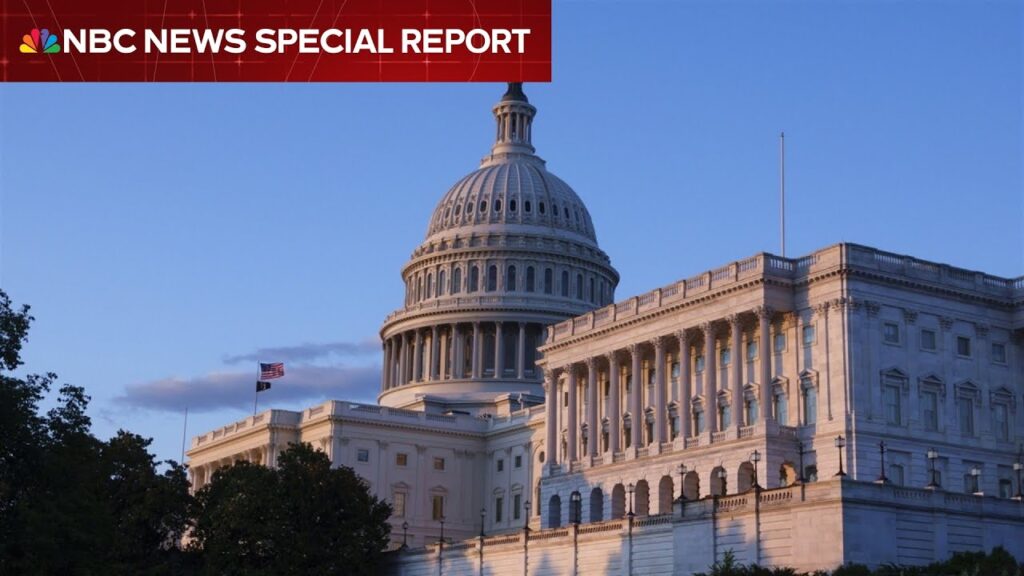
On November 18, 2025, the United States House of Representatives delivered a strikingly bipartisan 427‑1 vote to advance legislation that would compel the United States Department of Justice (DOJ) to publicly release unclassified records and investigative materials tied to Jeffrey Epstein. Al Jazeera+3The Washington Post+3Congress.gov+3 The measure, known as the Epstein Files Transparency Act (H.R. 4405) in the 119th Congress, was introduced in July and long stalled under resistance from leadership. Congress.gov+1
What the bill mandates. Under the act, the DOJ must publish in searchable and downloadable form all unclassified records, documents, communications and investigative materials relating to Epstein’s investigation and prosecution. That includes materials referencing his co‑defendant Ghislaine Maxwell, flight logs and travel records, and individuals named or referenced—including government officials. Congress.gov+1 The bill allows the DOJ to withhold certain categories: victims’ personal data, information that would jeopardise ongoing investigations, classified material, etc. Congress.gov+1
The political context. The near‑unanimous vote marks a rare moment of bipartisan consensus. Only one member, Clay Higgins (R‑LA), voted “no,” citing concerns that the bill could imperil innocent people’s privacy or ongoing proceedings. The Washington Post+1 The Senate quickly followed, agreeing by unanimous consent to pass the bill automatically once transmitted by the House. The Guardian+1 Meanwhile, the White House signalled that President Donald Trump intends to sign the legislation, although only after months of hesitation and push‑back from his allies. People.com+1
Why this matters. The Epstein case has long been shrouded in secrecy: sealed court files, confidential settlement agreements, redacted documents. For survivors, advocates and the public alike, the demand for transparency has been persistent. The release of files promises to shed light on how Epstein operated, who may have facilitated or profited from his network, and what — if any — government or institutional failures occurred. The act signals a governmental acknowledgement of accountability and an attempt at breaking longstanding silence.
For victims and survivors, the legislative moment holds deep symbolic and practical significance. Symbolically, it recognises that the injustices suffered cannot simply fade into obscurity behind closed doors. Practically, it may bring to light new evidence, names, or patterns of misconduct or complicity that were previously hidden.
Challenges and caveats. Despite the strong support, the bill still faces hurdles. The speaker of the House, Mike Johnson, while voting in favour, publicly stated that the current version of the bill still “does not adequately protect victims” and expressed concerns about potential harms from full disclosure. TIME+1 Those concerns centre on issues such as: release of sensitive victim identities, exposure of whistle‑blowers, interference in ongoing investigations or criminal proceedings, or outing individuals who may not have been indicted but were tangentially involved.
Moreover, while the legislative text mandates unclassified material release, it still allows the DOJ to withhold or redact certain content — meaning full transparency is not guaranteed. The timeline for publication (within 30 days of enactment, according to some reporting) also suggests that delays are possible. TIME+1
Why the shift happened now. Several dynamics converged. First, growing pressure from survivors and media investigations raised the political cost of inaction. Second, internal pressure within the House: a discharge petition led by Rep. Thomas Massie (R‑KY) forced leadership’s hand by gathering enough signatures to force consideration. Wikipedia+1 Third, public opinion appears overwhelmingly in favour of disclosure: polling indicates high percentages of Americans want to see the files released. Wikipedia Finally, strategic shifts by the administration and leadership: seeming acceptance that opposing transparency was more politically damaging than embracing it.
What to watch next. The next steps will be critical:
- Transmission to the President’s desk: The bill becomes law only once signed by the President. Delays or veto threats, though unlikely in light of the trajectory, could complicate the process.
- Implementation by DOJ: The quality, speed and completeness of disclosure will determine the real impact. If massive redactions or vague summaries dominate, the public and survivors may feel short‑changed.
- Ongoing investigations: As files are released, new leads may emerge. There is risk of legal or evidentiary implications, or renewed investigations into individuals named in the materials.
- Reactions from institutions and individuals named: The release may reignite reputational, legal or political repercussions for high‑profile figures referenced in the files.
- Legislative amendments or follow‑up oversight: Given concerns about protecting victims and sensitive info, further legislative action or safeguards may be introduced to refine or limit the scope of future disclosures.
Broader implications. The passage of this bill sets a precedent for government transparency in high‑profile criminal cases involving powerful individuals. It may embolden oversight bodies and the media to demand documents in other areas of public concern. It also raises questions about how institutions handle allegations of abuse, trafficking and network complicity when powerful figures are involved.
From a public trust perspective, this may help restore some confidence in the justice system’s responsiveness to victims and accountability. But it also places a burden on the government: if the promise of disclosure is undercut by excessive redactions or slow roll‑out, the moment could backfire and feed cynicism instead of healing.
In summary, the overwhelmingly positive vote by the House, followed by the Senate’s rapid approval, marks a pivotal moment in the Epstein saga. The Epstein Files Transparency Act is both a symbolic victory for survivors and advocates and a potentially substantive step toward unlocking hidden information. Yet the real test lies ahead: how the DOJ executes the mandate, how the files are processed and made available, and whether the disclosures yield meaningful insight or change. For all the promise of “transparency,” the devil will be in the details of what is released, how complete it is, and whether it prompts real accountability.
If you like, I can summarise the video’s content (from the link you provided) and provide key take‑aways or discussion questions for a study group. Would you like me to do that?