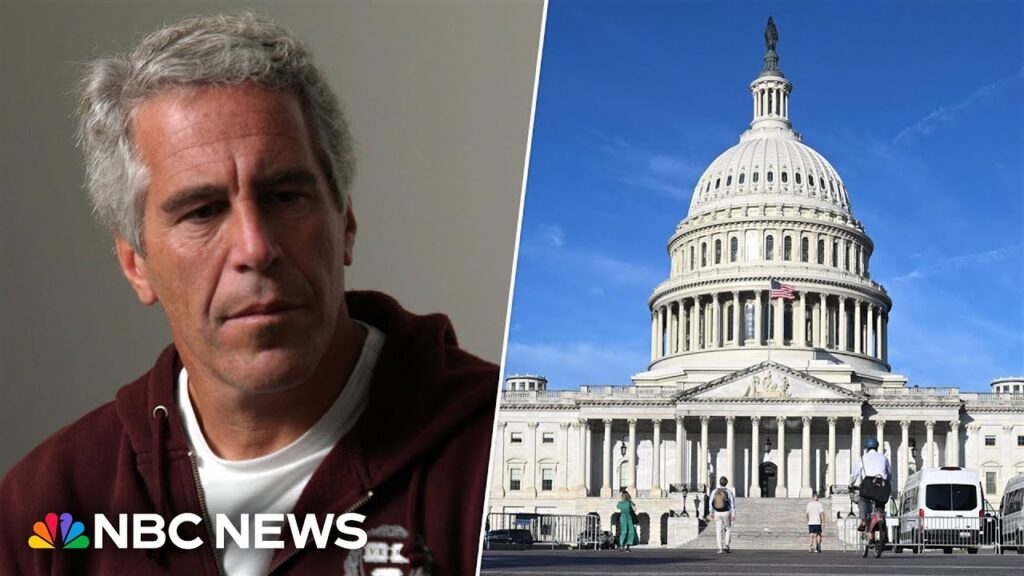
The U.S. House of Representatives has convened to vote on a landmark piece of legislation — the Epstein Files Transparency Act — which would compel the United States Department of Justice (DOJ) to release all files in its possession related to convicted sex offender Jeffrey Epstein. Wikipedia This vote is being widely watched not only for its procedural significance, but also for its broader implications on transparency, accountability, and the potential exposure of connections between high‑level figures and Epstein.
Background & stakes
Jeffrey Epstein died in 2019 while awaiting trial on charges of sex trafficking minors, but for years there has been persistent public and Congressional demand for disclosure of the full scope of the investigation, prosecution, and any related government actions. Many survivors, advocates and lawmakers argue that large portions of the case remain shrouded in secrecy, protected by prosecutorial decisions, sealed records, and lack of full oversight. The Daily Beast+1
The bill at hand would force the DOJ to make publicly available, in a searchable and downloadable format, its records related to Epstein — including, crucially, the names of persons of interest, politically exposed persons, government officials identified in the documents, and any redactions only when necessary to protect victims’ identities. Wikipedia+1
In short: if passed, this means the House is actively pushing for full disclosure of what has been a highly sensitive, high‑profile case that many feel has been subject to partial cover‑ups and selective transparency.
The vote & political dynamics
According to available legislative history, the bill passed the House with an overwhelming vote of 427‑1. Wikipedia That means nearly unanimous bipartisan support — an unusual occurrence in today’s polarized environment. It suggests that, regardless of party affiliation, many members recognize the political and moral urgency of this issue.
Yet, the process leading up to the vote was contentious. Some Republicans originally resisted the idea of releasing all documents, citing concerns about witness confidentiality, invasion of privacy, or interference with ongoing investigations. Wikipedia On the other hand, a number of Republicans broke ranks with party leadership to join Democrats in pushing for the vote. The Guardian+1
The fact that the House is willing to vote demonstrates a shift: what was once treated as a fringe or extremely sensitive topic is now elevated into mainstream Congressional action. The backdrop includes increasing pressure from advocacy groups, victims’ voices demanding visibility, and a public appetite for accountability. The Daily Beast
Why this matters
There are several key reasons why this vote matters:
- Transparency and trust in government: The DOJ, as a major federal institution, holds records that affect public trust. If such records remain sealed or partially redacted indefinitely, it can feed perceptions of injustice or cover‑ups. Releasing the files could bolster institutional credibility (or expose failings).
- Accountability for the powerful: Epstein had extensive connections with high‑profile individuals, including political, business and social elites. The release of files may shed light on these relationships, how investigations were handled, and whether any individuals were given special treatment. This has implications for equal justice under law.
- Victims’ rights and recognition: For survivors of abuse, the secrecy surrounding the Epstein case has been a long‑standing grievance. Public records release is a form of acknowledgement and could provide clarity, validation and potentially new leads for closure.
- Precedent for oversight: The outcome sets a precedent for how Congress can use oversight powers to compel disclosure from executive branch agencies. It could signal a more assertive role for Congress in investigations of high‑profile cases.
Key issues & caveats
While the vote is historic, there are important caveats:
- Redactions & privacy protections: The bill allows for redactions to protect personally identifiable information of victims, witnesses, and third parties. So “full disclosure” does not mean zero redactions — balancing transparency and privacy remains a challenge. Wikipedia
- Executive branch compliance: Even after passage, enforcement matters. The DOJ must comply, prepare documents in searchable/downloadable format, and submit to oversight. Without effective implementation, the law’s promise may falter.
- Timing and scope: Some of the files released may already be publicly accessible (through court filings, FOIA requests, etc.). The incremental value depends on how many new documents are disclosed and whether they provide additional insights. AP News
- Political optics & motives: Although bipartisan, some critics may view the push as politically driven — especially given its proximity to campaign cycles, and the fact that prominent figures are implicated. The framing of “transparency” vs. “political theater” may dominate public discourse.
- Next steps: Passing the House is only one phase. The bill needs Senate approval (which reportedly is expected) and presidential signature. Then comes actual execution and evaluation of what is delivered. Wikipedia
What to watch for
As the vote unfolds and subsequently after the bill becomes law, here are key things to monitor:
- What documents are released: Are the files comprehensive? Do they include internal memos, witness interviews, grand jury materials, communications with political figures?
- Any hidden redactions or missing segments: Are large swathes still withheld under “privacy” or national security claims?
- Impact on related investigations or prosecutions: Does the document dump lead to new investigations, civil suits, or criminal referrals?
- Public and media reaction: How do victims’ groups, advocacy organizations and the press respond? Do they deem the releases credible and sufficient?
- Political consequences for lawmakers: Will this bolster or hurt the standing of key members of Congress, especially those in leadership who either championed or opposed the bill?
- Implementation timeline and accessibility: Is the data released in an accessible format? Is it searchable, downloadable, and user‑friendly for public scrutiny?
- Implications for future oversight efforts: Does this act empower Congress more broadly to demand disclosure from executive agencies in other cases (e.g., Whitewater‑type inquiries, classified investigations, etc.)?
Final thoughts
The House’s decision to vote on — and indeed pass — the Epstein Files Transparency Act appears to mark a turning point in how one of the most notorious cases of abuse and institutional mystery may finally be exposed to public view. For years, the Epstein scandal has been fraught with allegations of elite impunity, prosecutorial leniency, sealed agreements and unanswered questions. This legislation represents a direct challenge to that secrecy.
If carried through effectively, it could provide long‑sought clarity for survivors, a meaningful test of government accountability, and perhaps, a measure of institutional reform. On the other hand, if the release is partial, slow, or opaque, many will see it as a missed opportunity or symbolic gesture rather than substantive justice.
In either scenario, this moment underscores a larger shift: the convergence of public outcry, survivor voices, political will and institutional oversight. The House vote is the latest step — what follows in the days, weeks and months after may define how the Epstein story is finally told and understood by the American public.